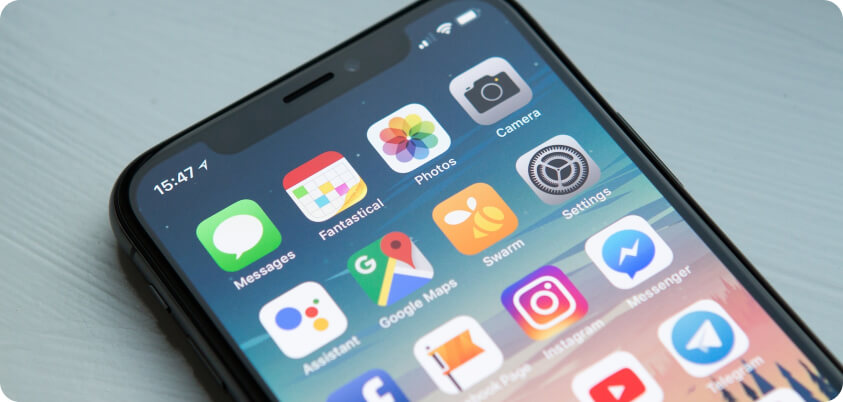
Social media has become a powerful tool for authors to connect with readers, build a fanbase, and ultimately sell books. But the question remains: What is the best way to promote my book on social media? The answer is more nuanced than simply posting updates about your book. It’s about understanding where your audience is, choosing the right platform, and creating engaging content that speaks to them in a way they prefer.
In this guide, we’ll explore the best strategies for promoting your book on social media, from identifying your audience to leveraging platform-specific tools designed for authors. Let’s dive in!
Understanding Where Your Audience Is
Before you dive into content creation or start posting about your book, the most crucial step is understanding where your audience is. Different social media platforms cater to different types of readers, and knowing where your potential readers spend their time is the first step to creating an effective strategy.
1. Who Are Your Readers?
Every book has a target audience, and as the author, you likely already have an idea of who your ideal reader is. Think about the following:
- What is their age group?
- What are their interests and hobbies?
- What genres do they typically read?
- How do they prefer to consume content (videos, blogs, short posts)?
Understanding your audience will help you identify which social media platforms are worth your time and effort.
2. Picking the Right Platforms
Now that you have a clearer picture of your audience, it’s time to pick the right platform. Here’s a breakdown of some of the major platforms and the audiences they cater to:
Facebook: Facebook is ideal for an older, more diverse audience. If your readers are 35+ and enjoy more in-depth content such as longer posts, group discussions, or detailed updates, Facebook can be a powerful platform to build a community and engage readers.
Instagram: Instagram is highly visual and skews toward a younger demographic, primarily between the ages of 18 and 35. It’s great for showcasing book covers, sharing visual content, and engaging with younger readers who love aesthetic-driven posts and behind-the-scenes looks at your writing process.
Twitter: Twitter is the place to be for real-time discussions and connecting with fellow authors, readers, and industry professionals. It’s best for fast-paced interaction, witty updates, and quick exchanges about books, genres, and writing.
TikTok: TikTok, especially the growing #BookTok community, is excellent for authors looking to reach a younger, enthusiastic audience of readers. With short-form video content at its core, TikTok allows you to create fun, engaging videos about your book, writing process, or favorite books in your genre.
LinkedIn: If you’re a nonfiction author or business writer, LinkedIn is a powerful tool for connecting with professionals who may be interested in your subject matter. It’s an ideal platform for sharing thought leadership articles, book excerpts, and engaging with a more professional, business-oriented audience.
YouTube: YouTube is a great platform for authors who are comfortable with long-form video content. Whether it’s hosting book readings, interviews, or sharing your writing journey, YouTube can help you build an audience that values deeper engagement.
Each platform offers different ways to connect with readers, so choose the one(s) that align with your audience and your style.
Building an Audience on Social Media
Once you’ve identified the right platform, the next step is building an audience. This is not something that happens overnight. It requires consistent engagement, valuable content, and authentic interaction with potential readers. Here’s how to approach audience-building:
1. Create Valuable, Shareable Content
Social media is built on content, and the more valuable and shareable your content is, the more likely it is to attract and retain followers. As an author, your content should serve two purposes:
- Engage with potential readers: Share insights into your writing process, character development, or the inspiration behind your story.
- Encourage interaction: Ask your audience questions, run polls, or host discussions about books in your genre.
Some ideas for content that resonates with readers include:
- Sneak peeks or excerpts from your book.
- Behind-the-scenes posts about your writing routine.
- Writing tips or advice for fellow aspiring authors.
- Quotes from your book or favorite books in your genre.
2. Post Consistently
Consistency is key to staying relevant and growing your audience on social media. While it’s important to not over-post, finding the right balance of content and frequency is crucial. For example:
- On Instagram, aim to post high-quality visuals 3–4 times a week.
- On Twitter, posting daily with real-time interactions and retweets can help you stay visible in a fast-paced environment.
- On Facebook, weekly or bi-weekly updates along with active participation in book groups can drive engagement.
3. Engage with Your Followers
One of the most important aspects of building a fanbase is being accessible to your audience. Engaging directly with readers by responding to comments, liking posts, and joining discussions will help humanize you as an author and build loyalty among your followers.
A few tips for meaningful engagement:
- Respond to comments on your posts with thoughtful replies.
- Participate in discussions in book-related Facebook groups or #BookTwitter conversations.
- Engage with other authors, influencers, or readers in your niche to broaden your reach.
Leveraging Tools for Content Creation on Different Platforms
Each social media platform has its own set of tools designed to help you create and share content. Let’s look at the best tools for authors to create engaging content on the major platforms:
1. Instagram
- Instagram Stories: Use Instagram Stories to give daily or behind-the-scenes updates about your writing process. You can also use the poll or question stickers to interact with your audience.
- Reels: Reels are short, engaging videos that are perfect for showcasing moments like unboxing your book, showing off your writing space, or sharing quick updates about your book’s progress.
- IGTV: If you prefer longer videos, IGTV is a great tool for reading excerpts of your book or hosting Q&A sessions.
2. Facebook
- Facebook Live: Live video is an excellent way to engage with your audience in real-time. Consider hosting live book readings, discussions, or even an online book launch.
- Facebook Groups: If you want to create a more intimate community around your book, consider starting a Facebook Group where readers can join and participate in discussions, ask questions, or share their thoughts.
3. Twitter
- Twitter Threads: Threads are perfect for sharing longer, detailed content. For example, you can create a thread about your book’s themes, writing process, or tips for aspiring authors.
- Twitter Chats: Joining or hosting a Twitter chat is a great way to engage in discussions with your audience. Use relevant hashtags like #BookTwitter or #AmWriting to connect with readers and fellow writers.
4. TikTok
- Hashtag Challenges: Participate in or create your own hashtag challenge. The #BookTok community loves engaging with authors, and starting a trend can help spread the word about your book.
- Duets: Collaborate with other authors or readers by creating Duets—a feature that allows you to respond to another TikTok video. This can be a fun way to interact with readers or showcase how people are reacting to your book.
- Book Trailers: Create a short, engaging trailer for your book that showcases the plot or key elements. TikTok’s short-form video content is perfect for generating excitement quickly.
5. YouTube
- Author Vlogs: If you’re comfortable on camera, consider starting a vlog that chronicles your journey as an author, offering readers a more personal look into your life and writing process.
- Book Readings: Host live or pre-recorded readings from your book to give your audience a taste of what they can expect.
- Interviews and Collaborations: Partner with fellow authors, book influencers, or readers for interviews or collaborative content that helps you tap into new audiences.
Tailoring Your Content to Your Audience
The key to successful promotion is knowing how your audience prefers to consume content. Some readers may prefer visual content, while others may gravitate toward more detailed posts or live interactions. Tailor your content creation strategy accordingly:
- If your readers enjoy visual storytelling, platforms like Instagram and TikTok should be central to your strategy.
- For audiences who value discussions and deeper engagement, Facebook and Twitter are ideal platforms for sharing detailed updates and participating in real-time conversations.
- If your readers love in-depth content, such as interviews or author insights, consider creating YouTube videos or writing long-form posts for Facebook and LinkedIn.
It’s important to experiment with different formats and monitor which type of content generates the most engagement.